
welcome to
Sri Lanka Development Journalist Forum
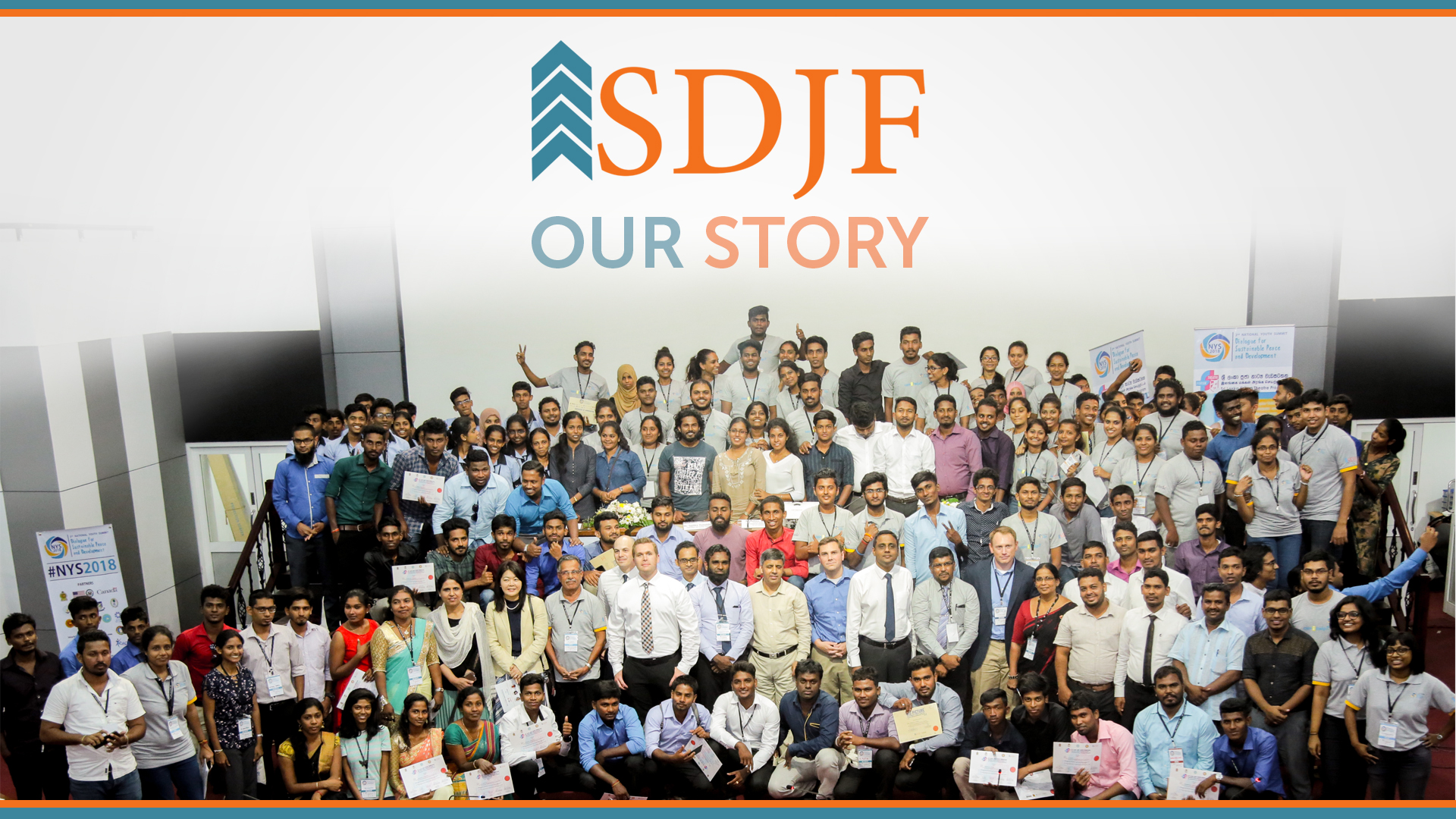
Sri Lanka Development Journalist Forum (SDJF) is a non-governmental, not-for-profit and national level organization, registered as Lanka Development Journalist Forum under the Companies Act No.7 of 2007, as a company limited by guarantee, and has been in operation since 2009. SDJF is an action based and learning organization having a dedicated staff and over 500 trained volunteers, young journalists and civil society members across the country to foster a vibrant democracy and reduced voice poverty of excluded and marginalized communities.
#sdjfnews
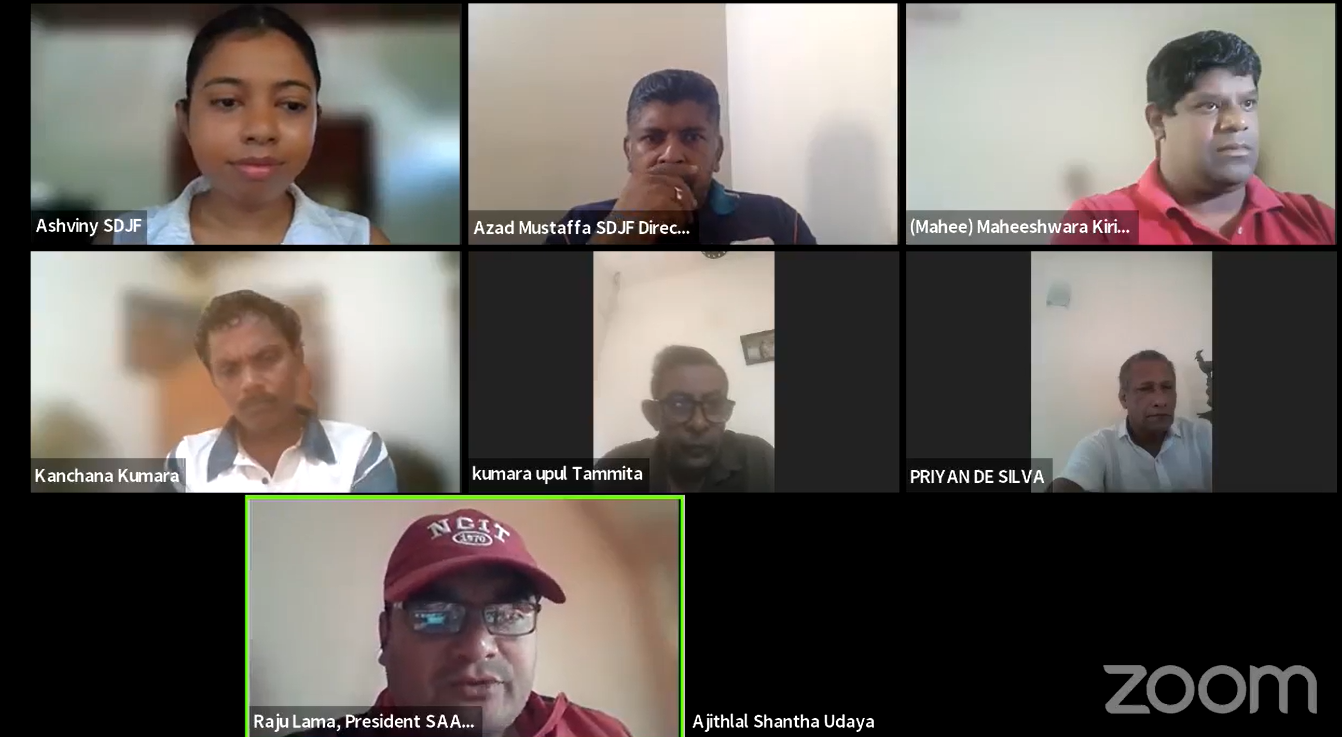
Navigating the Digital Jurisdiction: SAARC Journalist Forum Explores the Impact of the Online Safety
The SAARC Journalist Forum explored the impact of the Online Safety Bill in Sri Lanka during a live discussion on November 25, 2023. Led by Mr. Maheeshwara Kirindigoda, Internet Governance Initiative ...
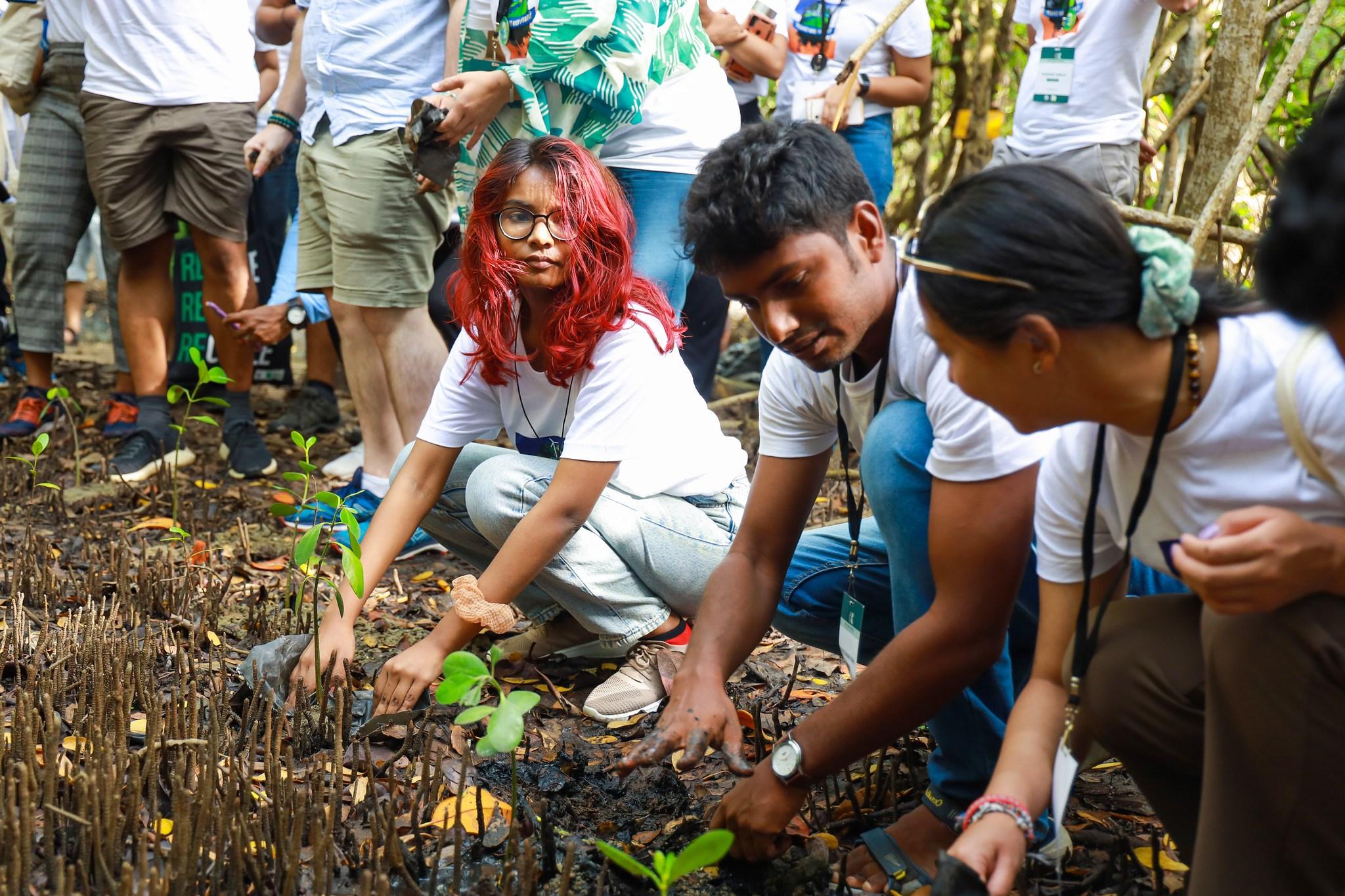
The South Climate Conclave: Sri Lanka Chapter
The current climatic trend of rising temperature all across the South Asian region has compelled individuals to engage in dialogues that will drive concrete policymaking initiatives in its wake. ...
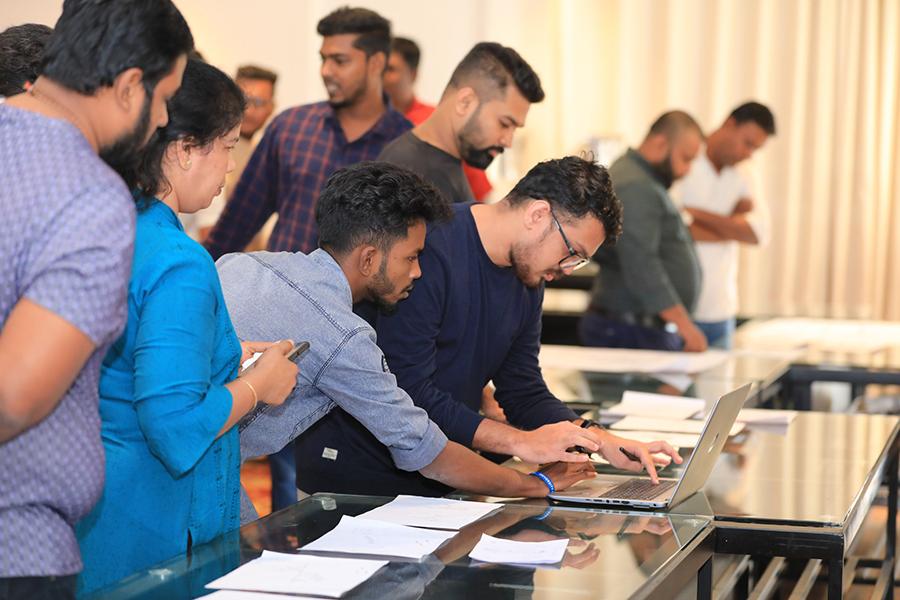
Empowering Sri Lankas Journalists and Artists on Freedom of Expression and Right to Information
In a country where Freedom of Expression (FoE) and the Right to Information (RTI) are vital for fostering democracy and accountability, Sri Lanka’s journalists and artists have taken bold stride...
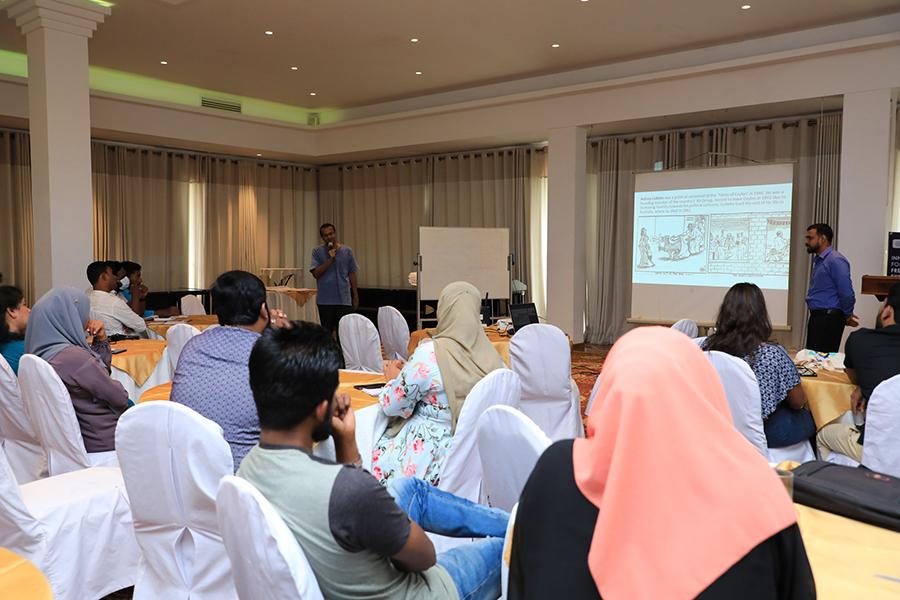
Empowering Sri Lanka’s Next Generation: A Creative Journey Amidst Political Change
Against the backdrop of recent political developments in Sri Lanka, the third and final session of the Media Fellowship Program, conducted by the Sri Lanka Development Journalist Forum and funded by t...
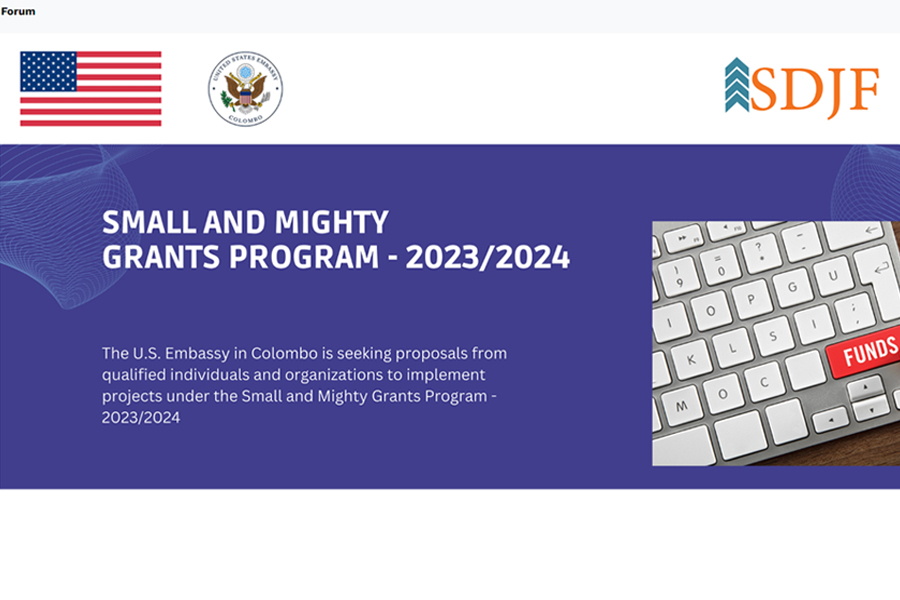
Small and Mighty Grants Program 2023/2024: Focusing on Advancing Professional Media Capacity
The Sri Lanka Development Journalist Forum (SDJF) is delighted to announce its collaboration with the U.S. Embassy in Sri Lanka for the implementation of the Small and Mighty Grants Program 2023/2024....
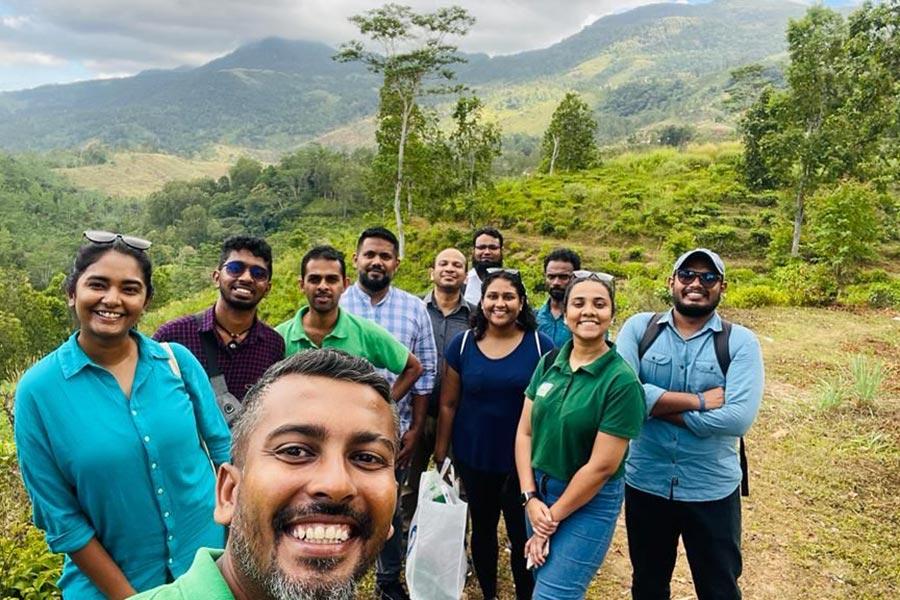
Sri Lanka’s Vulnerability to Climate Change: Insights from a CACN Expedition
Sri Lanka finds itself increasingly susceptible to the adverse consequences of climate change, with rising temperatures, extreme rainfall patterns, and sea-level fluctuations significantly impacting t...
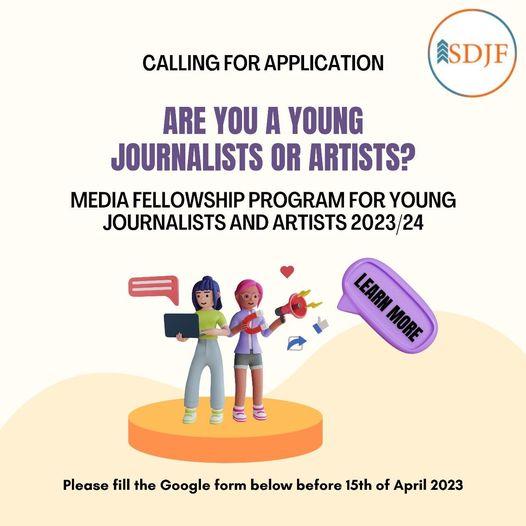
Media Fellowship Program for Young Journalists and Artists
Media Fellowship Program - a novel approach to promote freedom of expression and information rights of citizens through building a network of artists and young journalists, equip them with new media t...
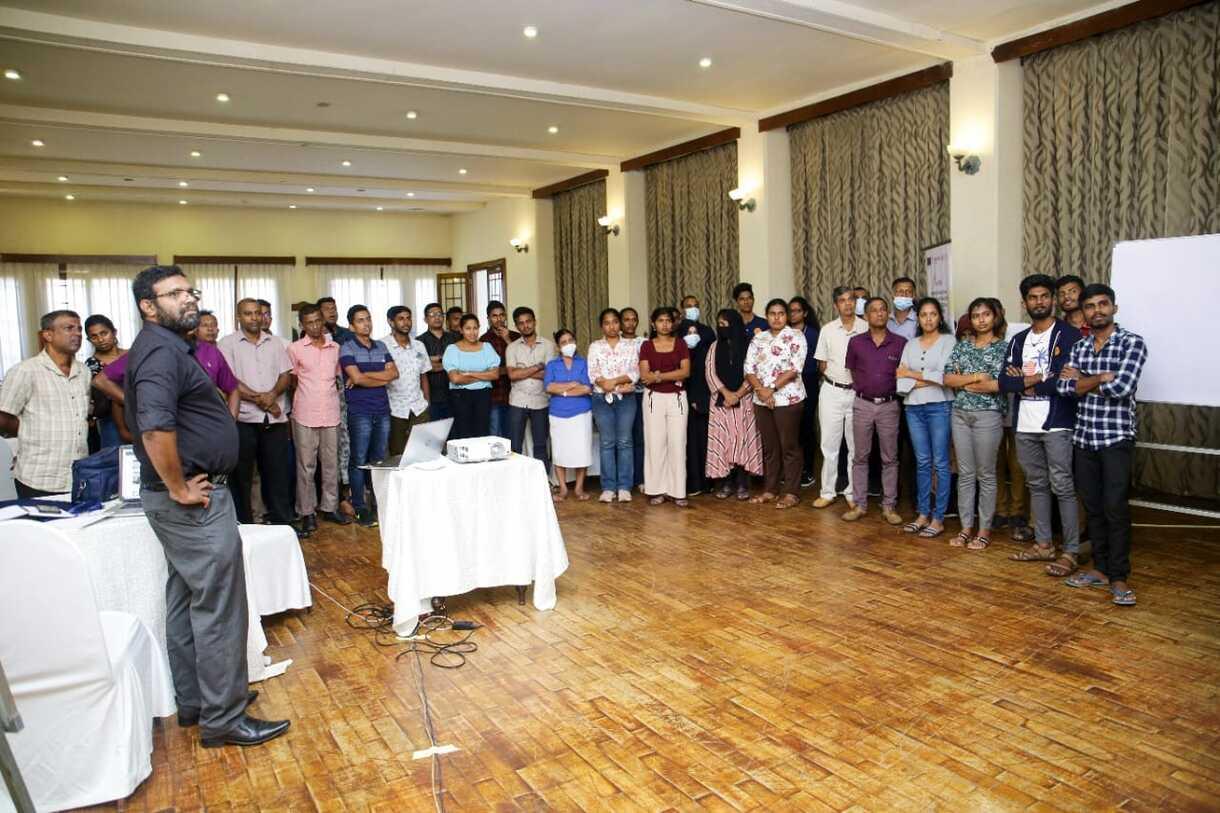
Another milestone under the Inspire project: A workshop on crisis and investigative reporting.
SDJF successfully completed a workshop on crisis and investigative reporting with the participation of 46 including students at the University of Peradeniya and regional journalists. The workshop w...
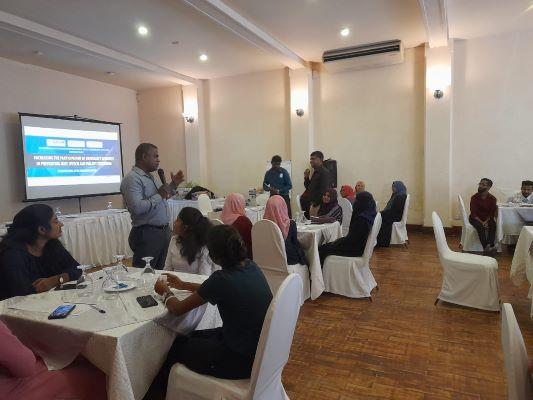
SDJF Promotes Diversity, Pluralism and Prevention of Violent Extremism Among Youth in Sri Lanka.
The conceptual training program under the “Empowering youth-led initiatives in the prevention of violent extremism” project commenced on November 11, 2022, at the Suisse Hotel in Kandy with the...
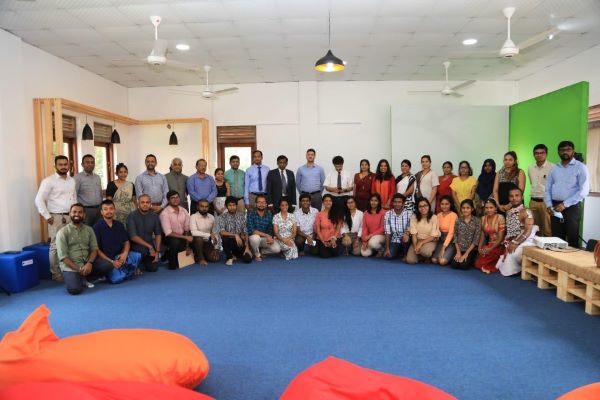
SRI LANKAS’ FIRST EVER MEDIA INCUBATOR SPACE IS LAUNCHED RECENTLY AT PERADENIYA UNIVERSITY
The inauguration of media incubator space for the media students at Peredeniya University declared open on 10th November 2022 at the Faculty of Agriculture extension. The space is built by Helvetas in...