Media Gender Charter Must Not Exclude SRHR
11 December 2018 | SDJF_Admin
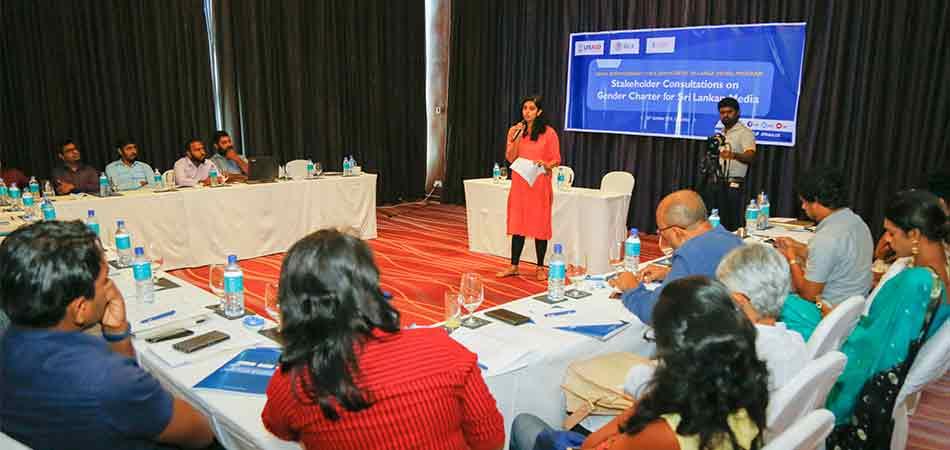
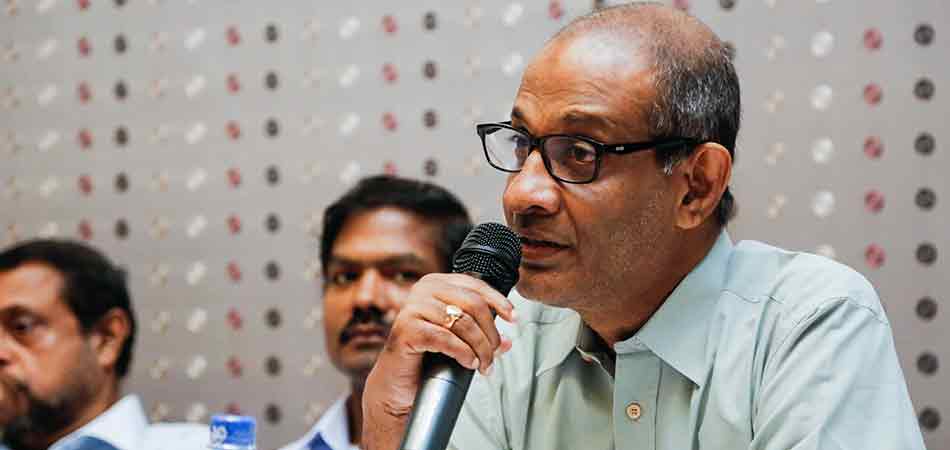
A national consultative workshop organized by the Sri Lanka Development Journalist Forum (SDJF) brought together a diverse group of stakeholders—including journalists, editors, media owners, academics, gender practitioners, youth representatives, and sexual and reproductive health and rights (SRHR) advocates—to deliberate on the development of a Media Gender Charter for Sri Lanka. The workshop aimed to strengthen ethical journalism standards, promote gender equality in media representation, and address persistent gaps in how women and marginalized communities are portrayed in mainstream and digital media.
A central and recurring theme throughout the discussions was the urgent need to explicitly integrate Sexual and Reproductive Health and Rights (SRHR) into the proposed Media Gender Charter. Participants emphasized that while gender equality has increasingly become part of media reform discourse, SRHR remains significantly overlooked, underreported, or misrepresented. The workshop highlighted that without SRHR, any Media Gender Charter would remain incomplete and insufficient in addressing the lived realities of women, girls, and gender-diverse communities in Sri Lanka.
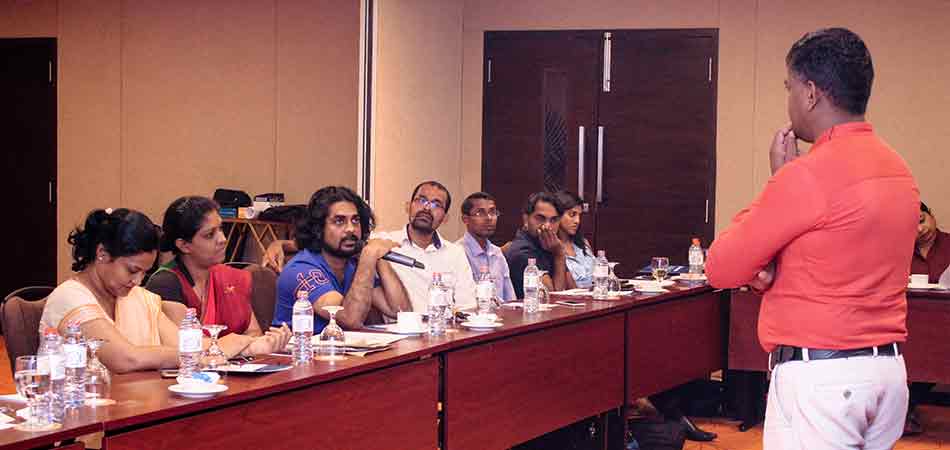
SRHR as a Missing Dimension in Media Reform
From the outset of the workshop, participants acknowledged that media narratives in Sri Lanka continue to struggle with addressing SRHR in a balanced, accurate, and rights-based manner. Issues such as menstruation, contraception, maternal health, abortion, sexual violence, adolescent sexuality, and LGBTIQ+ rights are often either excluded from mainstream reporting or covered in ways that reinforce stigma and misinformation.
Many participants noted that SRHR is still widely treated as a “sensitive,” “private,” or “taboo” subject, rather than a fundamental human rights and public health issue. This framing, they argued, limits informed public dialogue and prevents individuals—especially women and young people—from accessing essential information about their bodies, health, and rights.
One media practitioner stated during the discussion:
“We have made progress in talking about gender equality in media, but SRHR is still missing from the core conversation. Without SRHR, our understanding of gender in media remains incomplete.”
Another participant emphasized that media silence or distortion of SRHR issues contributes to a broader culture of misinformation:
“When SRHR issues are not reported accurately, people rely on myths and assumptions. This affects real lives—especially women and young people who need reliable information.”
The discussions made it clear that SRHR is not a peripheral issue but a foundational aspect of gender equality in media representation.
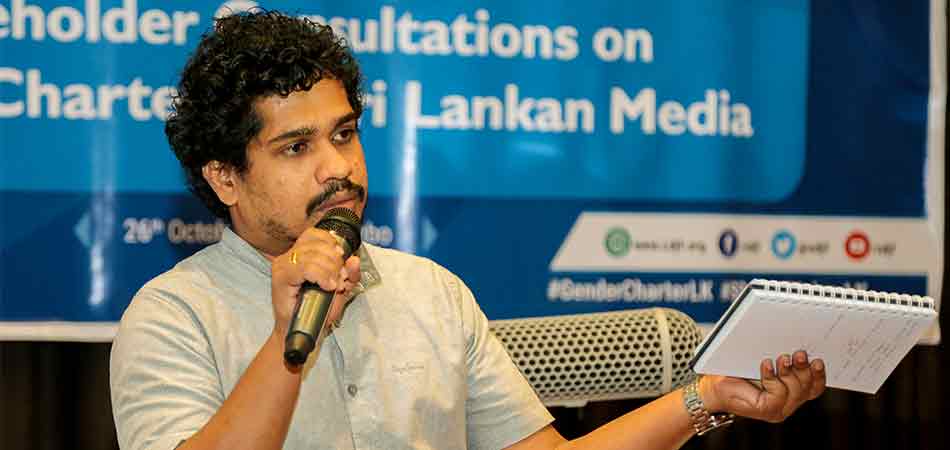
Media Representation of Women in SRHR Contexts
A significant portion of the workshop focused on how women are portrayed in SRHR-related reporting. Participants highlighted that women are often depicted in limited and stereotypical ways—frequently as victims, moral subjects, or objects of social scrutiny—rather than as rights holders with autonomy and agency over their bodies and health decisions.
In reporting on issues such as reproductive health, sexual violence, and maternal health, media narratives often lack depth and sensitivity. Instead of being framed within a rights-based approach, such stories are frequently sensationalized or moralized, reinforcing harmful stereotypes and social stigma.
Participants emphasized that this approach not only undermines journalistic ethics but also discourages open discussion of SRHR issues in society. Women and girls, particularly those affected by violence or reproductive health challenges, may feel silenced or ashamed, reducing their willingness to seek support or access services.
One participant reflected:
“Women are often spoken about in SRHR reporting, but rarely spoken with. Their voices are missing from the stories that affect their lives the most.”
This absence of agency in representation was identified as a key gap that the proposed Media Gender Charter must address.
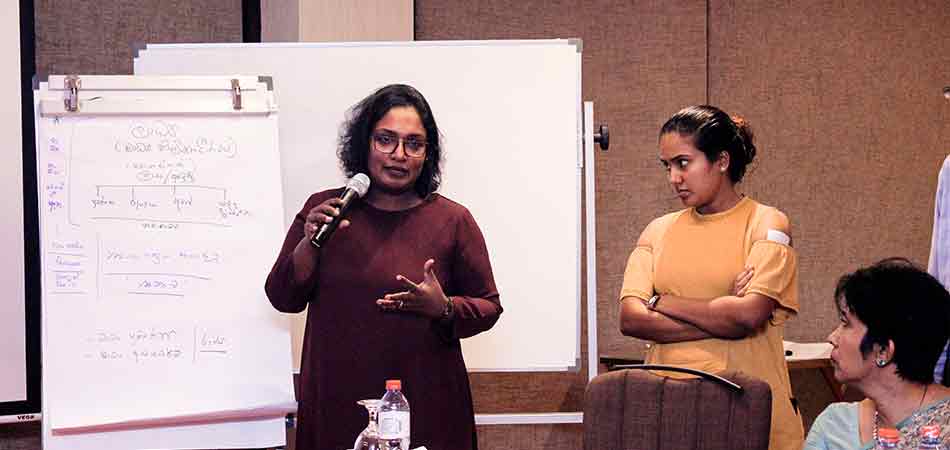
The Impact of Media Silence and Sensationalism
The workshop further explored the consequences of both media silence and sensationalism in SRHR reporting. Participants agreed that when SRHR topics are ignored, communities are left without accurate information. Conversely, when such issues are sensationalized, they contribute to stigma, fear, and discrimination.
For example, adolescent sexuality is often framed in moralistic terms rather than through a rights-based lens that emphasizes education, health, and protection. Similarly, issues related to abortion, contraception, and menstrual health are frequently either avoided or presented in judgmental narratives.
Participants also raised concerns about the portrayal of sexual and gender-based violence. It was noted that reporting often lacks sensitivity toward survivors, sometimes exposing identities, using inappropriate language, or framing incidents in ways that shift blame onto victims rather than perpetrators.
Another participant noted:
“The way media reports sexual violence can either support justice or deepen harm. Ethical reporting is not just about facts—it is about dignity.”
These discussions underscored the need for clear ethical guidelines within the Media Gender Charter to ensure responsible and rights-based coverage of SRHR-related issues.
LGBTIQ+ Representation and Structural Exclusion
The workshop also addressed the representation of LGBTIQ+ communities in media, which participants identified as another area where SRHR is often ignored. Coverage of gender and sexual diversity is frequently absent, or when present, it is framed through stereotypes, misinformation, or moral judgment.
Participants stressed that exclusion of LGBTIQ+ perspectives from SRHR discourse reinforces social marginalization and prevents meaningful public understanding of gender diversity. This exclusion also affects access to healthcare, legal protection, and social acceptance.
A participant working in gender advocacy noted:
“SRHR is not only about women in a narrow sense. It includes everyone’s right to bodily autonomy, dignity, and health—regardless of gender identity or sexual orientation.”
This perspective reinforced the importance of adopting an inclusive definition of SRHR within the Media Gender Charter.
Structural Challenges within Media Institutions
Beyond content representation, the workshop also examined structural challenges within media institutions that affect SRHR reporting. Participants highlighted the continued dominance of male decision-making in editorial roles, limited representation of women in leadership positions, and workplace environments that are often non-conducive or unsafe for women journalists.
These structural inequalities influence editorial priorities and contribute to the underreporting or misrepresentation of SRHR issues. Without gender balance in decision-making spaces, SRHR-related topics are less likely to be prioritized or covered with the necessary depth and sensitivity.
Participants also emphasized the lack of specialized training for journalists on SRHR reporting. Many media professionals may lack the technical knowledge required to report accurately on health-related or rights-based issues, leading to oversimplification or misinformation.
Need for Ethical and Rights-Based Media Guidelines
A strong consensus emerged from the workshop that the proposed Media Gender Charter must go beyond general statements on gender equality and include specific, actionable guidelines on SRHR reporting. Participants emphasized that ethical journalism must be grounded in human rights principles, scientific accuracy, and respect for dignity.
Key recommendations discussed included:
- Establishing clear guidelines for reporting on sexual and reproductive health issues
- Ensuring confidentiality and protection of survivors of gender-based and sexual violence
- Avoiding stigmatizing language and moral judgment in SRHR-related reporting
- Promoting inclusion of women, youth, and marginalized communities as sources and experts
- Strengthening training programs for journalists on SRHR and gender-sensitive reporting
- Creating accountability mechanisms to ensure compliance with the charter
Participants also stressed the importance of moving beyond policy documents to implementation. Past experiences with gender-related charters in the media sector were cited as examples where lack of enforcement mechanisms limited impact.
SRHR as a Cross-Cutting Human Rights Issue
Throughout the workshop, participants consistently emphasized that SRHR should not be treated as a standalone or niche topic. Instead, it intersects with multiple dimensions of society, including health, education, law, development, and social justice.
Recognizing SRHR as a cross-cutting issue would allow media to more accurately reflect the complexity of lived experiences and ensure that reporting contributes to informed public discourse rather than reinforcing stigma or silence.
One participant summarized this perspective:
“SRHR is not an add-on to gender equality. It is at the heart of how we understand dignity, autonomy, and rights.”
Toward a Transformative Media Gender Charter
The workshop concluded with a shared recognition that the Media Gender Charter presents a critical opportunity to transform media practice in Sri Lanka. Participants agreed that the charter must be developed through an inclusive and participatory process and must reflect the realities of diverse communities.
Importantly, there was strong agreement that SRHR must be explicitly embedded within the charter as a core pillar rather than an optional component. Without this inclusion, participants warned, efforts toward gender equality in media would remain incomplete and limited in impact.
The SDJF-led consultation process was seen as a significant step toward building consensus and strengthening dialogue between media practitioners and SRHR advocates. Participants expressed hope that the final charter would not only serve as a guideline for ethical reporting but also as a catalyst for broader social change.
The SDJF workshop clearly demonstrated that SRHR is a fundamental and inseparable component of gender equality in media. The discussions revealed persistent gaps in representation, reporting, and institutional understanding of SRHR issues, as well as the consequences of their exclusion from mainstream media narratives.
A Media Gender Charter that excludes SRHR risks reinforcing existing inequalities and failing to address the realities faced by women, girls, and gender-diverse communities. Conversely, a charter that meaningfully integrates SRHR can strengthen ethical journalism, promote informed public dialogue, and contribute to a more inclusive and rights-based media environment in Sri Lanka.
In this sense, participants emphasized a clear and unified message: a Media Gender Charter must not exclude SRHR—it must place it at the center of ethical media practice.
Latest News

SRHR in Sri Lanka: Why Reproductive Health Must Be at the Centre of Disaster Reporting
10 March 2026
[ Read More ]

SDJF Launches Journalist Guidelines on SRHR and Climate Change Following Cyclone Ditwah
11 June 2026
[ Read More ]

SDJF Launches New Guidelines for Reporting on SRHR and Climate Change During Natural Disasters
6 June 2025
[ Read More ]

SDJF Successfully Concludes Its Annual General Meeting 2025
16 November 2025
[ Read More ]
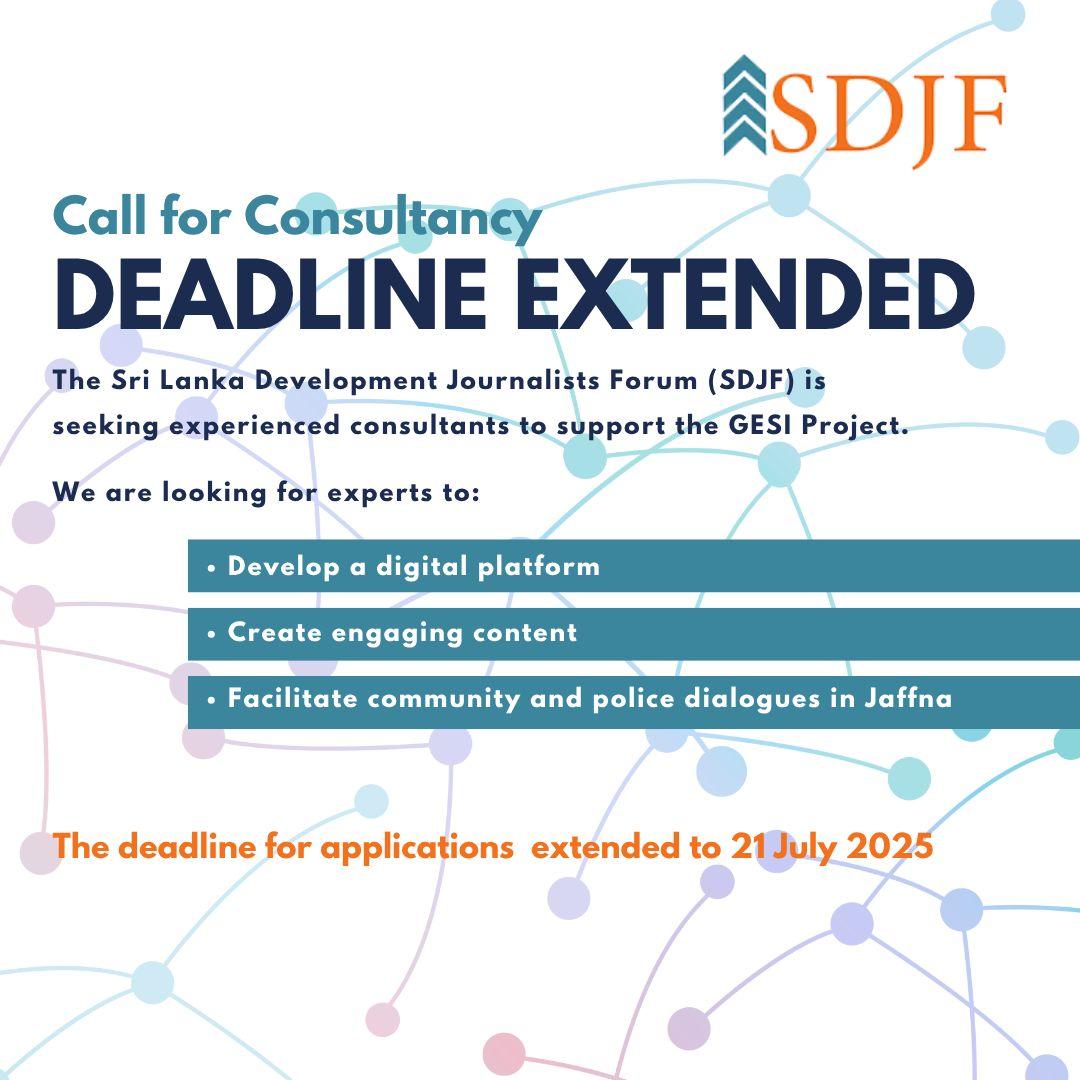
Call for Consultancy – Extended Deadline to July 21, 2025
1 July 2025
[ Read More ]