Creative Minds for Future Media: Advancing Gender Equality and SRHR through Creative Media
18 September 2021 | SDJF_Admin
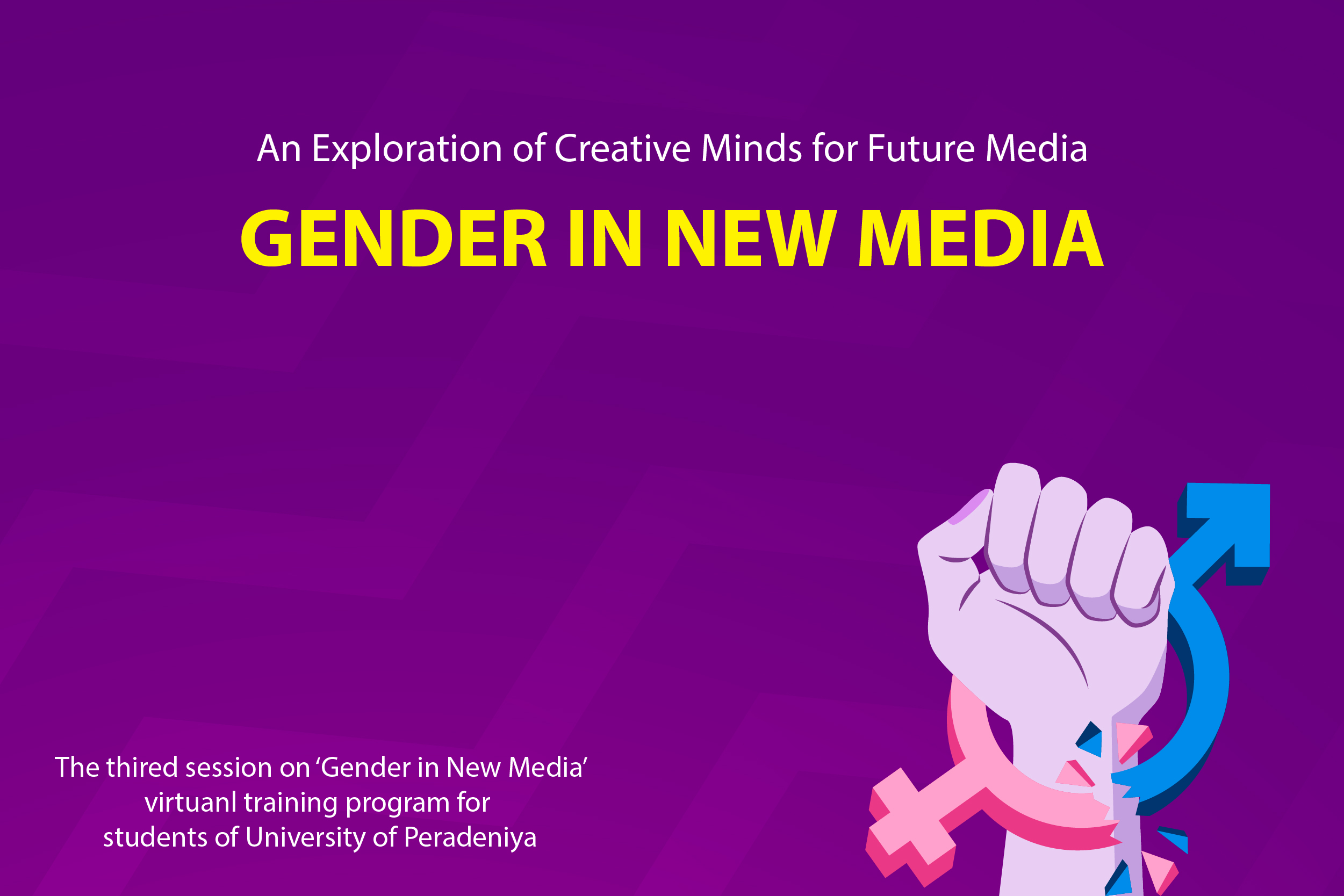
Sri Lanka Development Journalist Forum (SDJF) conducted a training programme on “Gender, SRHR and Creative Media” for students of the University of Peradeniya as part of its efforts to empower young people to use media and digital platforms to advance gender equality and Sexual and Reproductive Health and Rights (SRHR). The session brought together 67 students (13 male and 54 female) and provided a space for learning, discussion, and creative engagement on issues affecting women and girls.
A strong SRHR focus was integrated into the programme in recognition of the fact that nearly one million female students are currently enrolled in state and non-state higher education institutions across Sri Lanka. Despite being directly affected by issues such as menstrual health and hygiene, access to sexual and reproductive health information and services, bodily autonomy, consent, sexual harassment, intimate partner violence, unhealthy relationships, online gender-based violence, and gender-based discrimination, many young women continue to face barriers in openly discussing these concerns. Social stigma, cultural taboos, misinformation, and fear of judgment often force these issues into silence, limiting access to support, information, and services.
Addressing the participants, SDJF Director Dr. Ashoka Dharshana Kumar emphasized that universities are not only spaces for academic learning but also important environments for equipping young people with knowledge about their rights, health, safety, and well-being. He noted that many SRHR-related issues remain inadequately discussed in public discourse and underrepresented in media coverage despite their significant impact on the lives of young people. He further stressed that creative media, digital storytelling, blogging, and social media platforms can serve as powerful tools for breaking the silence surrounding SRHR, challenging harmful social norms, promoting informed conversations, and connecting young people with accurate information and available support services.
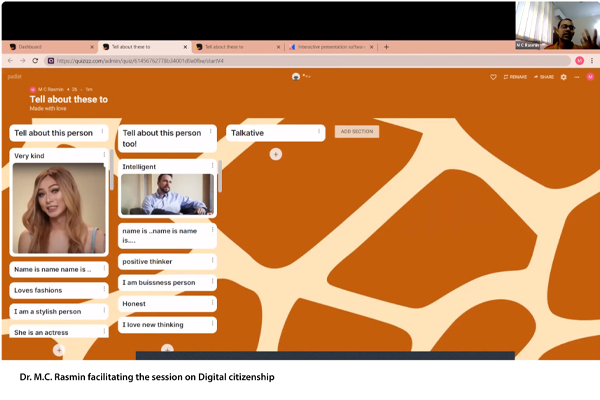
A unique feature of the programme was its focus on the role of media, creativity, and digital communication in addressing SRHR challenges. Participants explored how storytelling, multimedia content, blogs, podcasts, short videos, and social media campaigns can be used to raise awareness and foster dialogue on issues that are often overlooked or stigmatized. Discussions centred on menstrual health and hygiene, bodily autonomy, access to sexual and reproductive health information and services, sexual harassment, intimate partner violence, gender-based violence, consent, healthy relationships, and the barriers faced by women and girls in seeking support and protection.
The programme highlighted the importance of creating informed and responsible content that not only raises awareness but also helps connect women and girls with available services and support mechanisms. Participants examined how misinformation, social stigma, cultural taboos, and unequal power relations continue to affect access to SRHR information and services, particularly among young people. They were encouraged to think critically about how media can contribute to changing harmful attitudes and promoting gender-equitable norms within their communities.
Interactive exercises and group discussions enabled participants to reflect on how gender stereotypes are reinforced through media and everyday communication. The session also explored the relationship between gender inequality and violence, including sexual harassment in educational institutions, intimate partner violence, online abuse, and other forms of discrimination that limit the rights, safety, and well-being of women and girls.
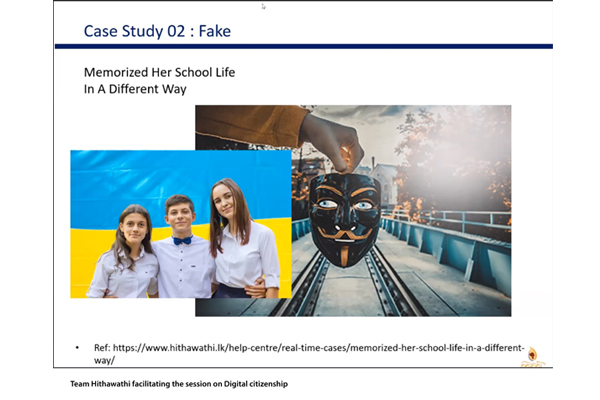
Particular attention was given to the growing prevalence of online gender-based violence and its impact on young women. Participants discussed how digital spaces can both empower and harm women and girls and learned practical approaches to promoting online safety, protecting privacy, and responding to digital harassment. Real-life case studies helped participants understand the emotional, social, and psychological consequences of online abuse and the importance of creating safer digital environments.
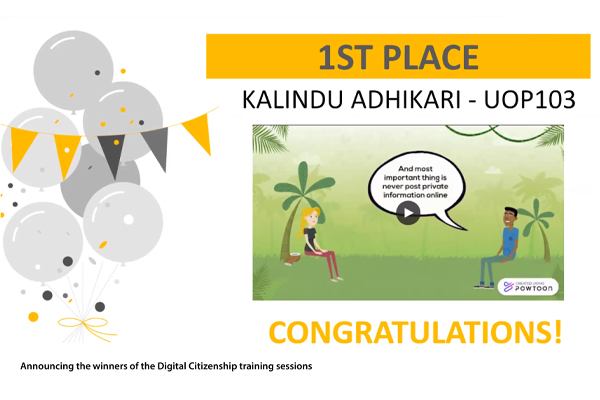
Participants actively engaged throughout the session and developed creative concepts and media products focusing on gender equality and SRHR issues. Many expressed interest in using their newly acquired skills to produce content that highlights the realities faced by women and girls and contributes to greater awareness and understanding within their communities.
The programme concluded with a call for young media creators to become advocates for gender equality and SRHR by using creative and digital platforms to amplify important social issues, promote informed dialogue, challenge stigma and discrimination, and contribute to a more inclusive, equitable, and rights-based society.
Latest News

SRHR in Sri Lanka: Why Reproductive Health Must Be at the Centre of Disaster Reporting
10 March 2026
[ Read More ]

SDJF Launches Journalist Guidelines on SRHR and Climate Change Following Cyclone Ditwah
11 June 2026
[ Read More ]

SDJF Launches New Guidelines for Reporting on SRHR and Climate Change During Natural Disasters
6 June 2025
[ Read More ]

SDJF Successfully Concludes Its Annual General Meeting 2025
16 November 2025
[ Read More ]
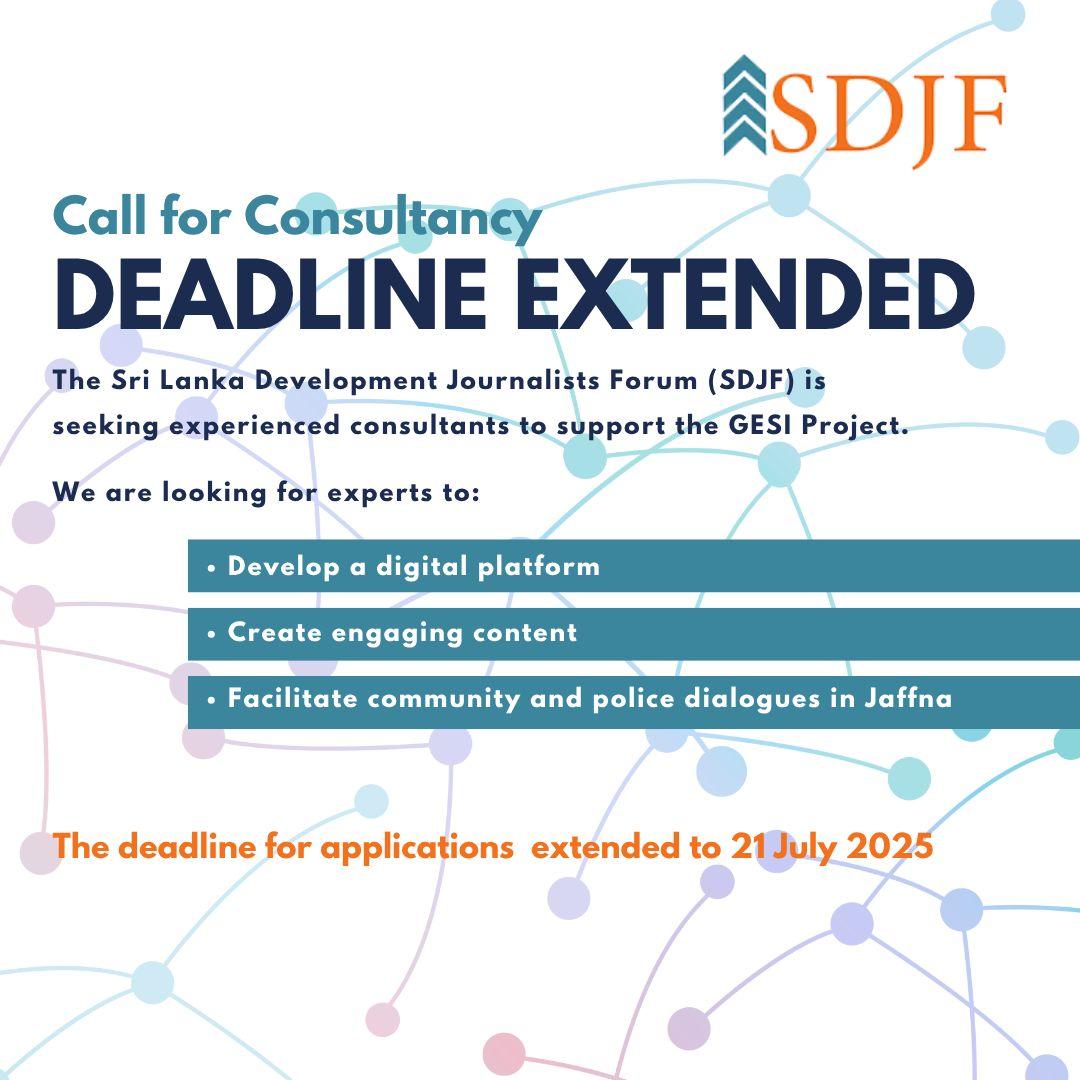
Call for Consultancy – Extended Deadline to July 21, 2025
1 July 2025
[ Read More ]